
7 Energy Efficiency Mistakes You're Making with Your Home (and How to Fix Them)
- Steve Crompton

- Nov 20, 2025
- 5 min read
Energy efficiency is often overlooked by homeowners who focus on major renovations and aesthetic improvements, yet it matters more than many realize for both your wallet and comfort. The average UK household wastes £300-500 annually through simple energy mistakes that are surprisingly easy to fix.
These seven common errors silently drain your bank account while making your home less comfortable. The good news? Most solutions cost very little upfront but deliver significant long-term savings.
Mistake 1: Ignoring Air Leaks and Poor Insulation
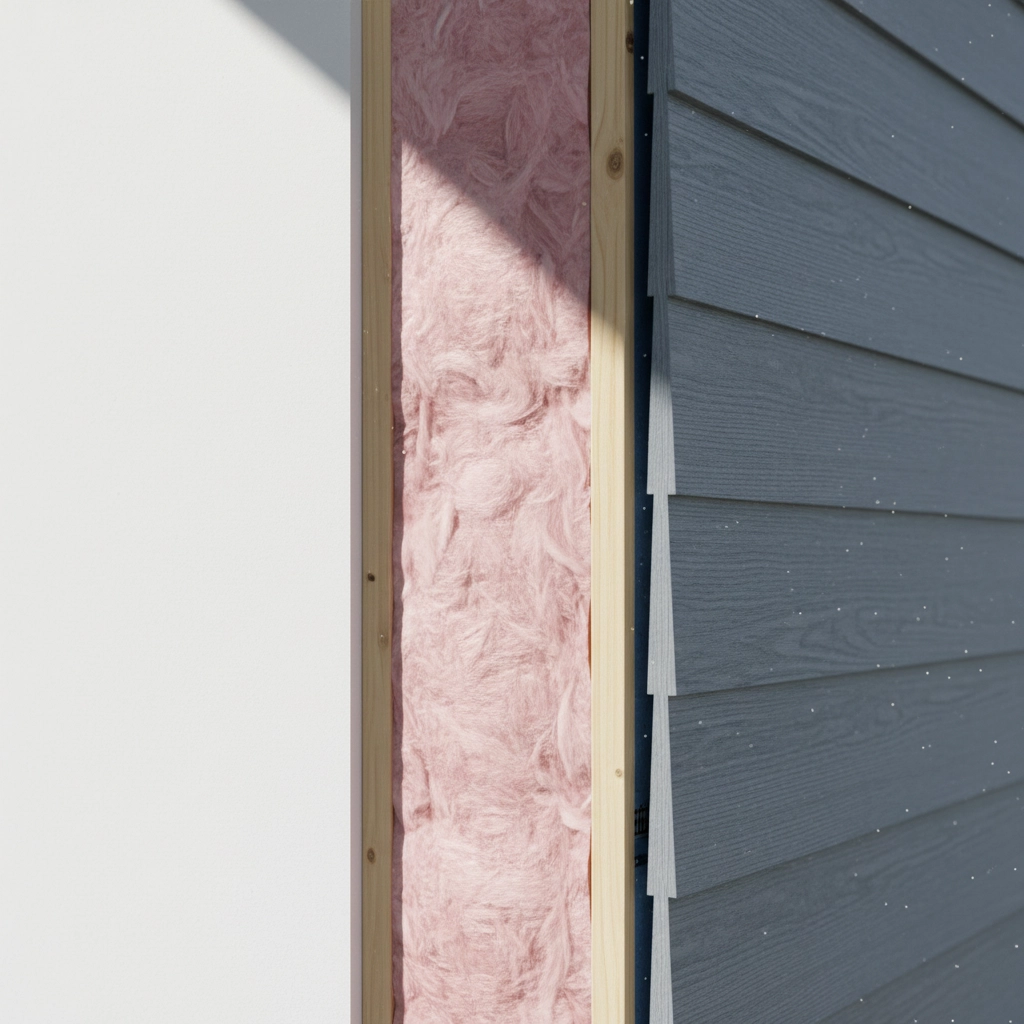
Air leaks are invisible energy vampires that can account for up to 30% of your home's heating and cooling costs. Small gaps around windows, doors, electrical outlets, and pipe penetrations allow conditioned air to escape while letting outdoor air infiltrate your home.
Poor insulation compounds this problem. Homes built before 1990 often have inadequate insulation by today's standards, forcing your heating system to work overtime during winter months.
How to Fix It:
Conduct a simple draft test by holding a lit candle or incense stick around potential leak points on a windy day. If the flame flickers or smoke moves, you've found an air leak.
Seal the gaps using:
Weatherstripping for movable joints like doors and windows
Caulk for stationary cracks and gaps
Foam sealant for larger openings around pipes and cables
Upgrade your insulation, particularly in the loft where heat rises. The Energy Saving Trust recommends at least 270mm of insulation in your loft space. This investment typically pays for itself within 2-3 years through reduced energy bills.
Mistake 2: Setting Your Thermostat Too High or Too Low
Many homeowners set their thermostats to extreme temperatures, believing it heats or cools their home faster. This wastes enormous amounts of energy without actually improving comfort speed.
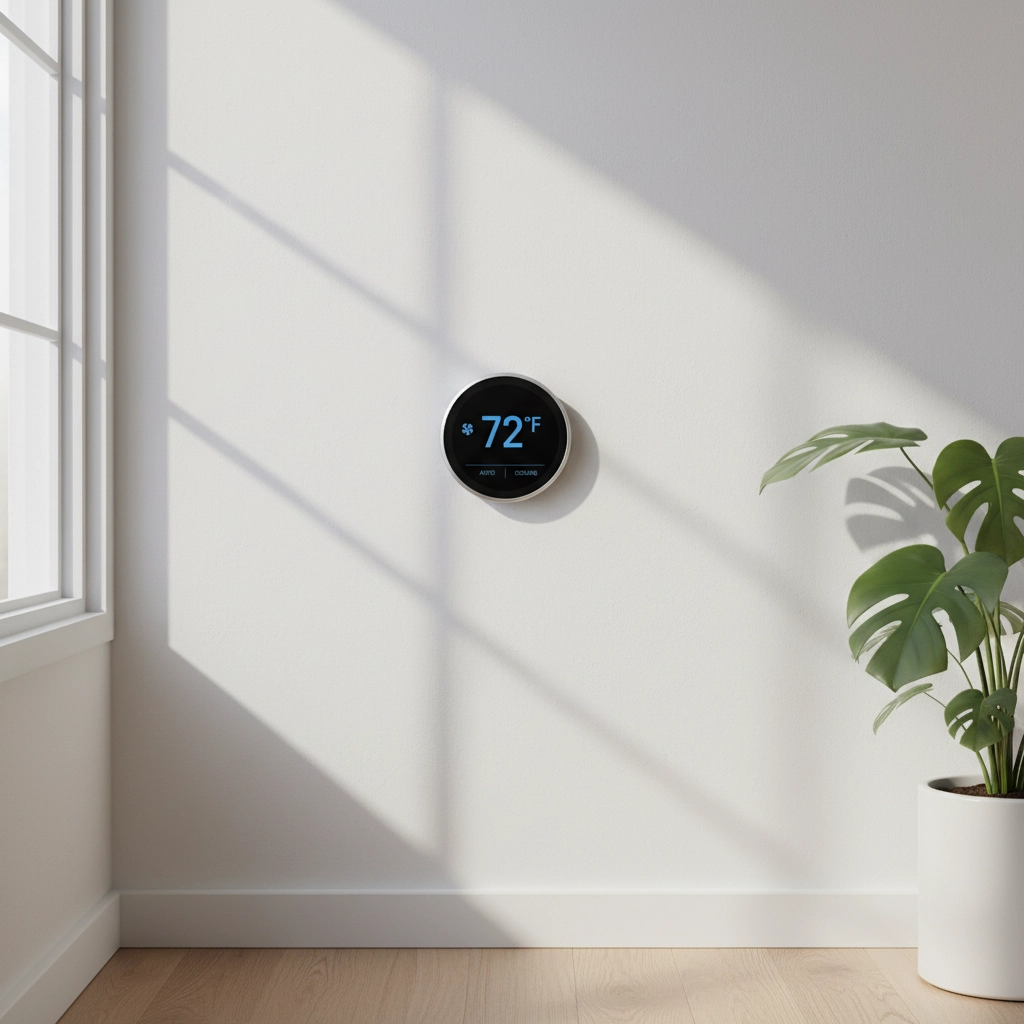
Setting your thermostat just 1°C lower in winter or higher in summer can reduce your energy bills by up to 10%, according to government energy advisors.
How to Fix It:
Set your thermostat to 18-21°C during winter when you're home and awake. Drop it to 16°C at night or when you're away for more than four hours.
In summer, aim for 24-26°C when using air conditioning. Use ceiling fans to circulate air, which allows you to feel comfortable at higher temperatures.
Install a programmable or smart thermostat to automatically adjust temperatures based on your schedule. This prevents you from heating or cooling an empty home and ensures optimal temperatures when you return.
Mistake 3: Neglecting HVAC System Maintenance
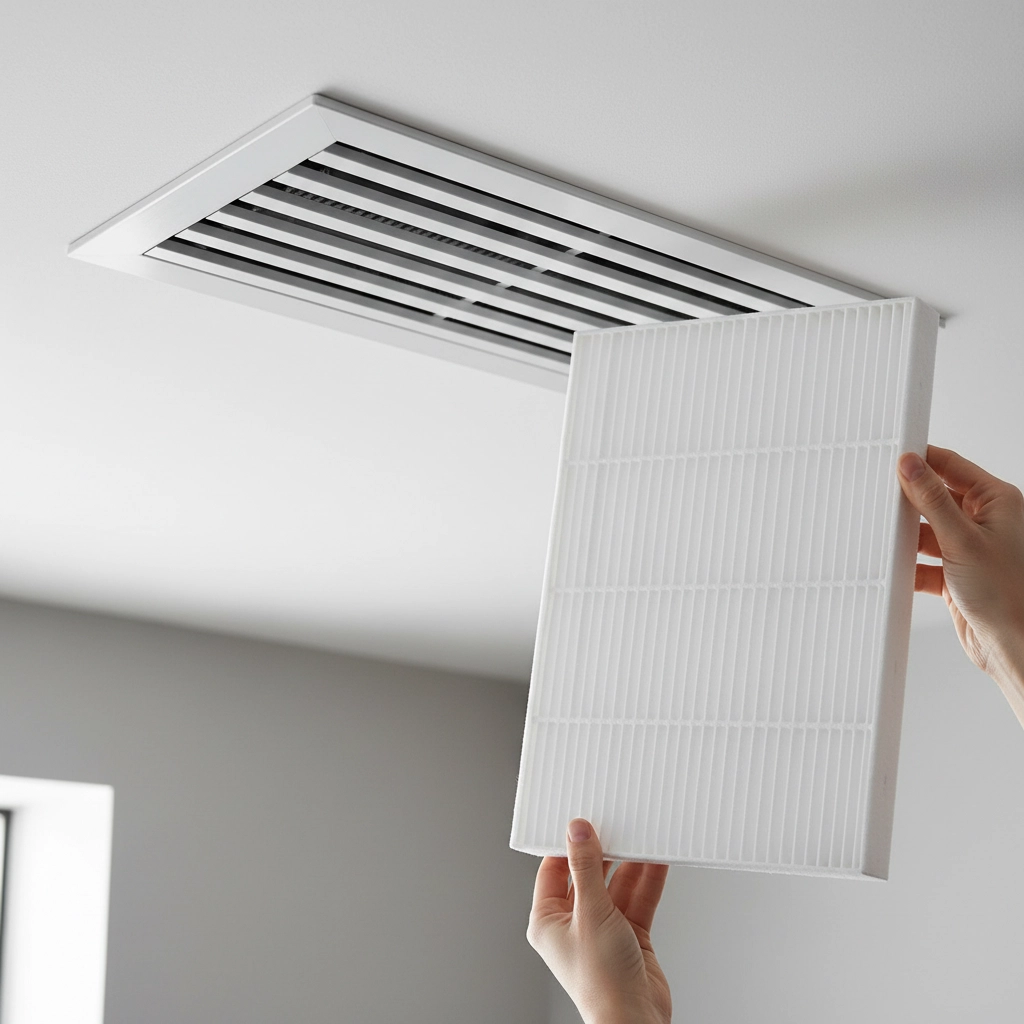
A dirty air filter forces your heating and cooling system to work 15-20% harder than necessary. Clogged filters restrict airflow, making your system run longer to achieve the desired temperature while dramatically reducing its lifespan.
Blocked vents and registers create similar problems, causing uneven temperatures throughout your home and forcing your system to compensate by working overtime.
How to Fix It:
Replace your air filter every 1-3 months depending on usage and filter type. Mark your calendar or set phone reminders to make this routine.
Clear all vents and registers of furniture, curtains, rugs, and debris. Ensure at least 12 inches of clearance around each vent for proper airflow.
Schedule annual professional maintenance for your heating and cooling systems. This includes cleaning coils, checking refrigerant levels, and identifying potential problems before they become expensive repairs.
For comprehensive home maintenance guidance, our Essential Guide to Maintaining Your Home covers all the key systems that impact energy efficiency.
Mistake 4: Leaving Devices Plugged In Constantly
Phantom loads or "vampire power" occurs when electronic devices draw electricity while turned off or in standby mode. These invisible energy drains account for 5-10% of residential electricity use, according to the International Energy Agency.
Common culprits include phone chargers, televisions, computer equipment, coffee makers, and any device with a digital display or remote control capability.
How to Fix It:
Unplug devices when not in use, particularly phone chargers, which continue drawing power even when not charging a device.
Use smart power strips that automatically cut power to secondary devices when the primary device (like your TV or computer) is turned off.
Enable power-saving modes on computers, televisions, and other electronics. These settings significantly reduce standby power consumption.
Identify the worst offenders by using a plug-in electricity monitor to measure actual power consumption of different devices.
Mistake 5: Sticking with Inefficient Lighting
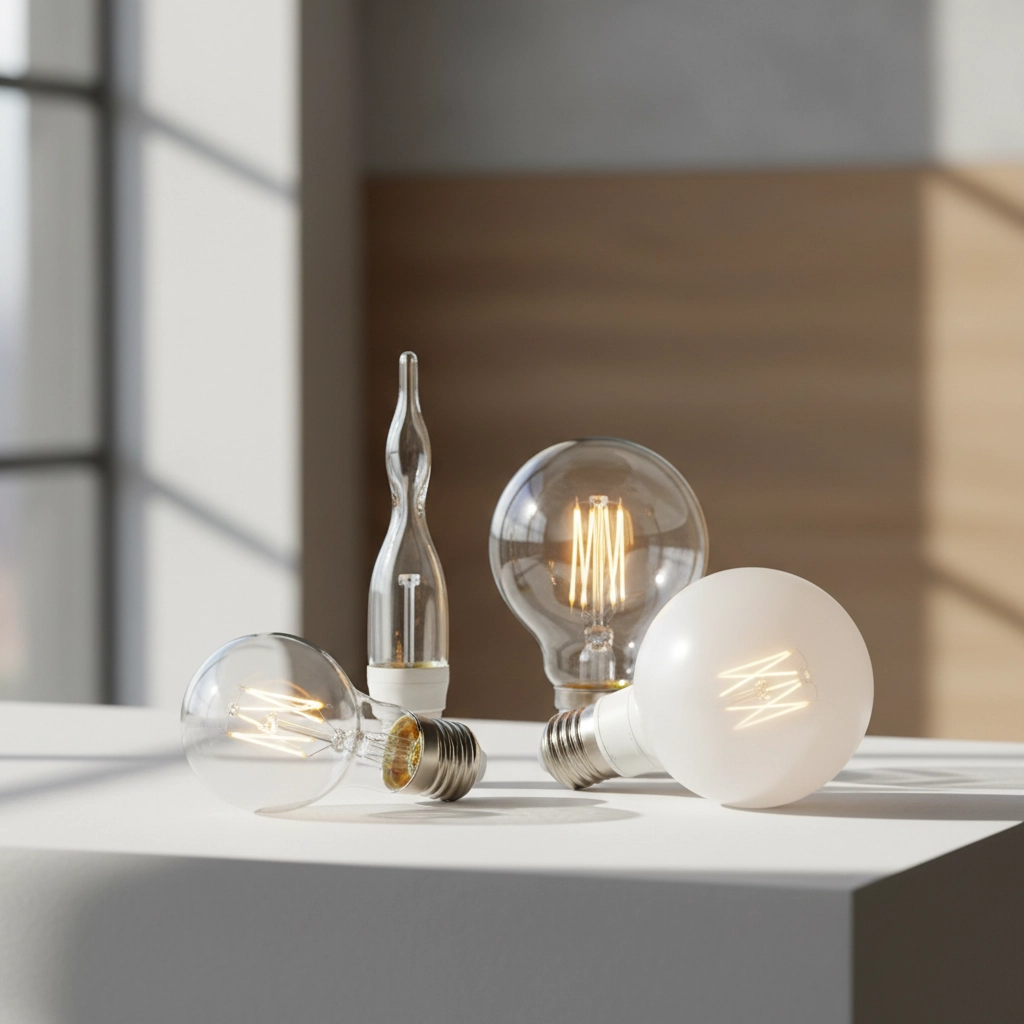
Traditional incandescent bulbs convert only 10% of their energy into light, wasting the remaining 90% as heat. Many homeowners delay switching to LED bulbs due to upfront costs, not realizing the substantial long-term savings.
Leaving lights on in unoccupied rooms compounds this waste, adding unnecessary charges to every electricity bill.
How to Fix It:
Replace incandescent bulbs with LEDs as they burn out. LEDs use 75% less energy and last 25 times longer than traditional bulbs, according to the U.S. Department of Energy.
Install dimmer switches and motion sensors in appropriate areas. Dimming LED lights extends their lifespan while reducing energy consumption, and motion sensors eliminate the possibility of forgotten lights.
Take advantage of natural light by opening curtains and blinds during daytime hours. Position mirrors strategically to reflect sunlight deeper into rooms.
Turn off lights religiously when leaving a room. Despite what you might have heard, turning LED lights on and off doesn't shorten their lifespan.
Mistake 6: Wasting Hot Water
Water heating typically accounts for 15-20% of your home's energy consumption. Long showers, inefficient showerheads, and poor hot water habits can dramatically increase this percentage.
Running hot water unnecessarily while washing dishes, shaving, or brushing teeth adds up to significant waste over time.
How to Fix It:
Install low-flow showerheads and faucet aerators which can reduce hot water usage by 25-60% without noticeable impact on water pressure.
Take shorter showers by setting a timer or playing your favorite 3-4 minute song. Reducing shower time by just two minutes can save £25-40 annually.
Fix leaky taps immediately. A single hot water drip per second wastes over 1,400 litres annually.
Lower your water heater temperature to 60°C. Every 10°C reduction saves 3-5% on water heating costs while preventing scalding and reducing mineral buildup in your system.
Insulate your hot water pipes to reduce heat loss during transport and deliver hot water faster to taps and showers.
Mistake 7: Running Major Appliances During Peak Hours
Electricity costs more during peak demand periods (typically 4-7 PM on weekdays) when power companies must activate less efficient backup generators. Many homeowners unknowingly run dishwashers, washing machines, and dryers during these expensive hours.
Additionally, running these appliances with partial loads wastes both energy and water while providing poor cleaning results.
How to Fix It:
Shift major appliance use to off-peak hours like late evening, early morning, or weekends when electricity rates are lower.
Wait for full loads before running your dishwasher and washing machine. Modern detergents work effectively in cold water, so use cool water settings when possible.
Clean your dryer's lint filter after every load to maintain optimal airflow and drying efficiency. A clogged filter can increase drying time by 30%.
Air-dry clothes when weather permits using outdoor clotheslines or indoor drying racks. This eliminates dryer energy consumption entirely while extending fabric life.
Use your dishwasher's eco-mode which uses less water and energy by extending the wash cycle time.
Taking Action on Energy Efficiency
These seven mistakes represent the low-hanging fruit of home energy efficiency. Addressing them requires minimal upfront investment but delivers substantial ongoing savings while improving your home's comfort and environmental impact.
Start with the easiest fixes like adjusting your thermostat settings and unplugging unused devices, then gradually work toward larger improvements like insulation upgrades and appliance replacements.
For homeowners considering broader efficiency improvements, our team at The Homes Doctor can assess your property's specific needs and recommend the most cost-effective upgrades for your situation.
Remember, energy efficiency improvements not only reduce monthly bills but also increase your property value and contribute to a more sustainable future. Every small action compounds over time, creating meaningful financial and environmental benefits for years to come.
Comments