
Energy Efficiency Mistakes Costing UK Homeowners £2,000+ Annually (And How to Fix Them)
- Steve Crompton

- Nov 27, 2025
- 5 min read
Energy efficiency is often overlooked as a major factor in household expenses, yet poor energy management practices are costing UK homeowners over £2,000 annually in unnecessary bills and property damage. While most homeowners focus on obvious expenses like mortgage payments or council tax, the hidden costs of energy inefficiency silently drain bank accounts month after month.
The consequences extend far beyond inflated utility bills. Energy inefficient homes suffer from damp, mould, structural damage, and significantly reduced property values: problems that often require expensive remedial work costing thousands more. Understanding and fixing these mistakes isn't just about saving money; it's about protecting your home's long-term value and your family's health.
The Hidden Cost of Poor Insulation Choices
Inadequate or incorrectly installed insulation represents the single largest energy efficiency mistake affecting UK homes. Recent findings from the National Audit Office reveal that 98% of homes with external wall insulation installed under government schemes require major repairs, with many suffering from damp and mould issues that create additional costs.
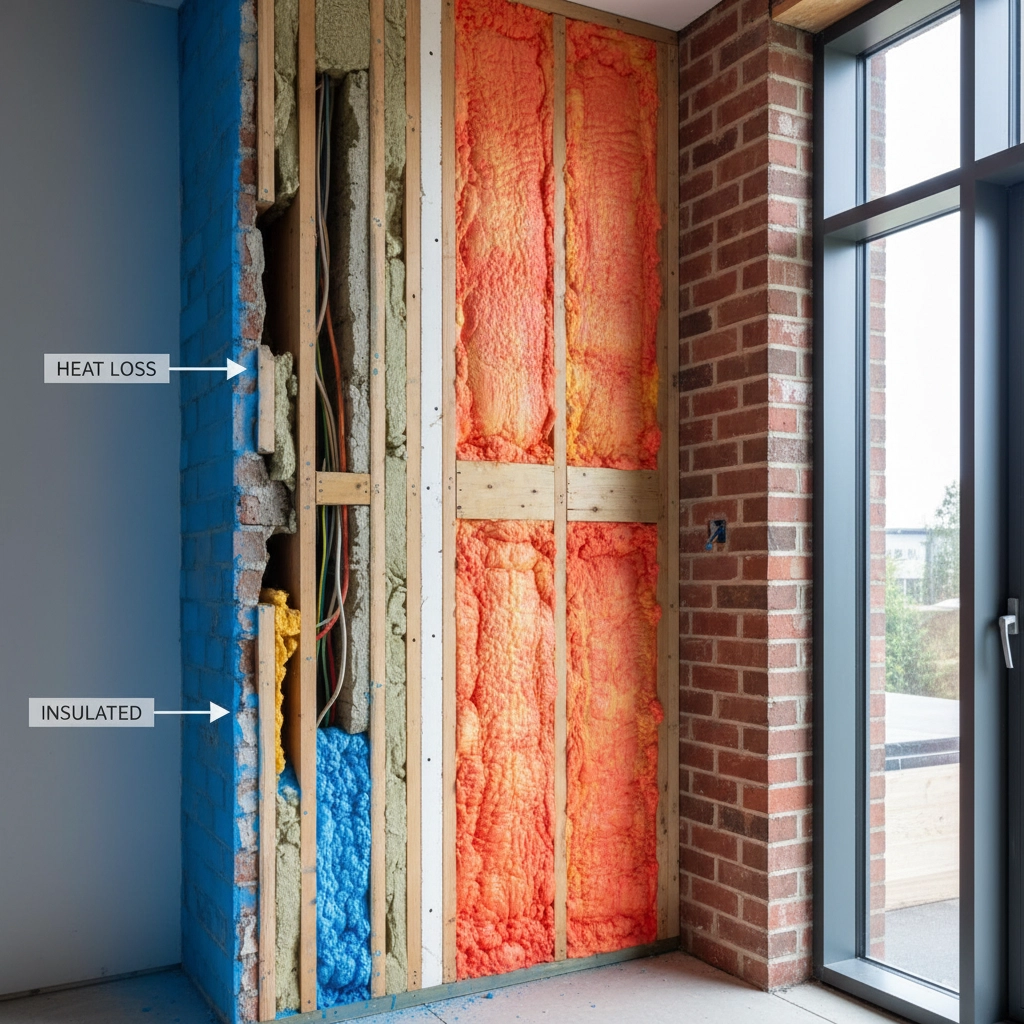
The financial impact is substantial. Poorly insulated homes can lose up to 35% of their heat through walls alone, forcing heating systems to work overtime. A typical UK household pays an extra £800-£1,200 annually simply to compensate for heat loss that proper insulation would prevent.
Common insulation mistakes include:
Installing insulation without proper vapour barriers
Choosing the wrong insulation type for specific applications
Leaving gaps around pipes, electrical outlets, and fixtures
Failing to insulate thermal bridges where heat escapes
Using uncertified installers who don't follow PAS 2035 standards
The fix requires professional assessment to identify thermal bridges and specify appropriate materials. TrustMark-registered installers ensure compliance with building standards and provide warranties that protect your investment. When done correctly, proper insulation typically pays for itself within 3-5 years through reduced energy bills.
Inefficient Heating Systems Bleeding Money
Outdated or improperly maintained heating systems create enormous ongoing costs that compound annually. Boilers over 15 years old operate at significantly reduced efficiency, while poor maintenance causes even newer systems to waste substantial energy.
The numbers are startling. An inefficient boiler can increase heating costs by 30-40%, translating to £500-£800 in unnecessary annual expenses for average UK households. Factor in emergency repairs from neglected maintenance, and costs escalate dramatically.
Key heating system mistakes:
Running boilers without annual services
Using incorrect thermostat settings and programming
Failing to bleed radiators and balance heating systems
Neglecting boiler pressure and filter changes
Operating oversized or undersized systems for home requirements
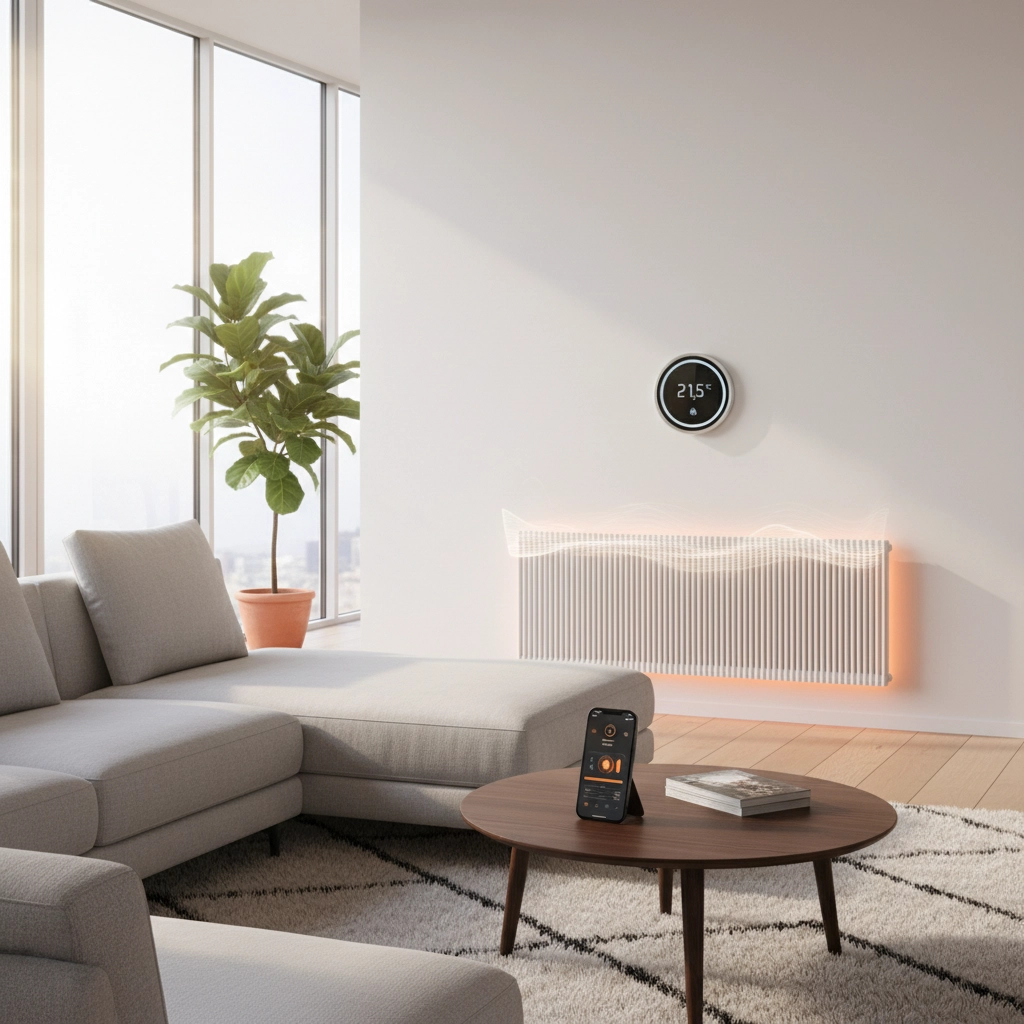
Modern condensing boilers achieve efficiency ratings of 90% or higher, compared to 60-70% for older systems. Smart heating controls can reduce energy consumption by an additional 10-15% through precise temperature management and scheduling. For comprehensive guidance on heating system optimization, explore our detailed energy efficiency solutions.
Window and Door Air Leakage Problems
Air leakage through windows and doors represents a massive but easily fixable energy drain. Even small gaps and worn seals allow heated air to escape continuously, forcing heating systems to compensate for constant heat loss.
Single-glazed windows lose up to 10 times more heat than modern double or triple-glazed alternatives. Door seals, window frames, and even letterbox slots contribute to energy losses that can total £300-£600 annually in a typical home.
Common air leakage sources:
Worn or damaged door and window seals
Single-glazed windows in period properties
Poorly fitted replacement windows with inadequate sealing
Unsealed gaps around pipes and cables entering the building
Damaged or missing draught excluders
Addressing air leakage delivers immediate results. Professional draught-proofing typically costs £200-£500 but can reduce heating bills by 10-20% annually. Window replacement, while more expensive, can improve energy efficiency by up to 20% while also enhancing security and property value.
Smart Technology Integration Failures
Failure to integrate smart energy management technology costs homeowners hundreds annually through inefficient energy usage patterns. While smart meters and thermostats are increasingly common, many homeowners don't optimize these systems properly.
Smart thermostats alone can reduce heating costs by 15-20% through automated scheduling and learning algorithms. However, incorrect installation or poor programming negates these benefits. Similarly, smart metres provide valuable usage data that remains unused without proper interpretation.
Smart technology mistakes include:
Installing smart thermostats without proper zoning controls
Failing to programme heating schedules based on occupancy patterns
Ignoring smart meter data and usage insights
Not integrating multiple smart devices for coordinated energy management
Choosing incompatible smart home systems that don't communicate effectively
The solution involves comprehensive smart home planning that considers your lifestyle, home layout, and energy priorities. Our smart home integration guide explores how to maximize these technologies' benefits while ensuring compatibility and ease of use.
Roof and Loft Space Inefficiencies
Inadequate loft insulation and poor roof maintenance create substantial energy losses that homeowners often underestimate. Heat rises, making loft spaces critical for energy retention, yet many UK homes have insufficient or damaged loft insulation.
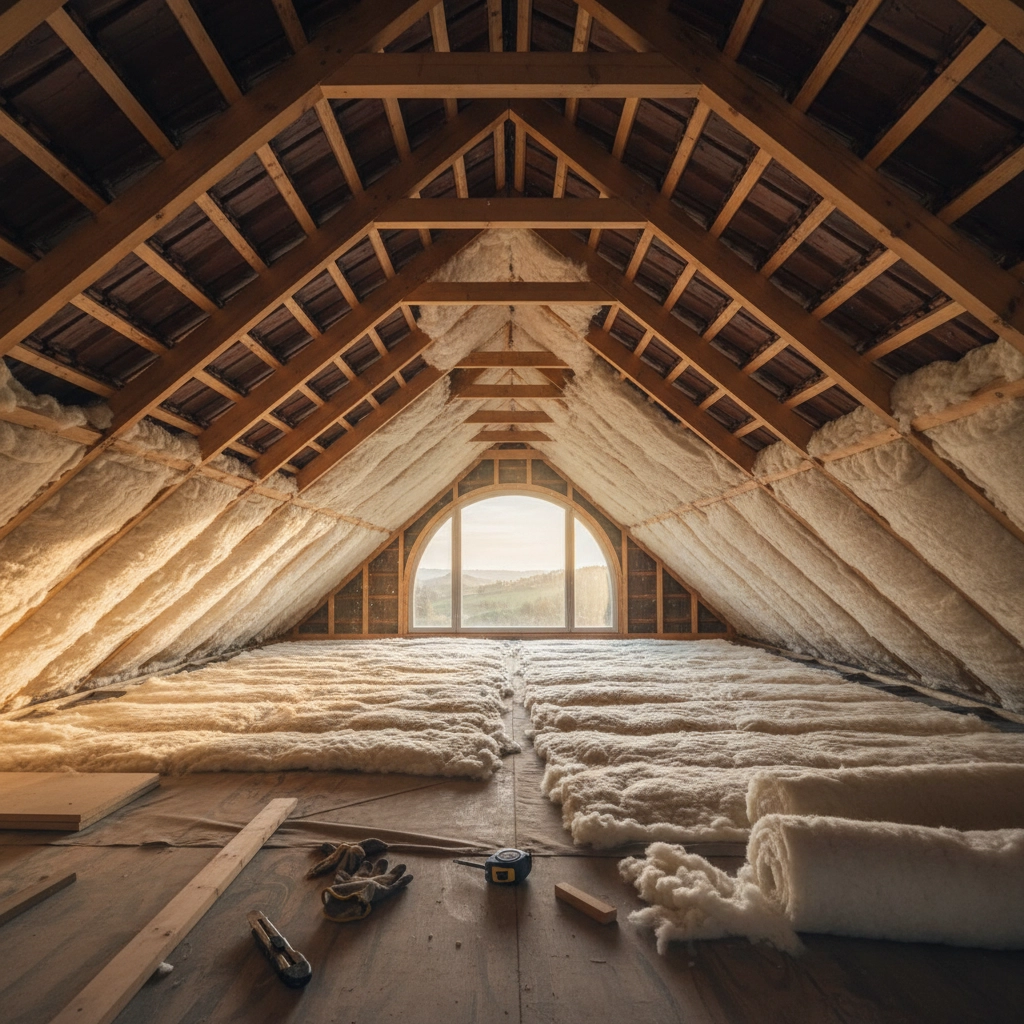
Loft insulation should be at least 270mm thick to meet current building standards, yet many homes have half this amount or less. The energy impact is immediate and measurable: inadequate loft insulation can increase heating bills by £200-£400 annually.
Roof-related energy problems:
Insufficient loft insulation thickness or coverage
Compressed insulation that has lost its effectiveness
Missing insulation around loft hatches and access points
Damaged roof tiles allowing cold air infiltration
Blocked or inadequate ventilation causing condensation issues
Professional loft insulation installation typically costs £300-£500 for a standard home but pays for itself within 2-3 years through reduced energy bills. Proper installation includes vapour barriers, ventilation considerations, and complete coverage including difficult-to-reach areas.
When Professional Help Becomes Essential
Energy efficiency improvements require professional assessment when dealing with structural modifications, electrical systems, or complex installations. While some improvements like draught-proofing can be DIY projects, major inefficiencies often stem from systemic issues requiring expert diagnosis.
Consider professional help when experiencing persistent damp or mould, significant temperature variations between rooms, or annual energy bills exceeding £2,500 for typical usage. These symptoms often indicate underlying problems that require comprehensive solutions.
Professional services provide:
Thermal imaging surveys to identify heat loss patterns
Whole-house energy assessments and improvement plans
Certified installations with appropriate warranties
Compliance with building regulations and safety standards
Access to government grants and financing schemes
For comprehensive home maintenance and energy efficiency improvements, The Homes Doctor provides expert assessment and implementation services designed to optimize your home's energy performance.
Maximizing Your Energy Efficiency Investment
Addressing energy efficiency mistakes delivers compounding benefits that extend far beyond reduced utility bills. Improved energy efficiency enhances comfort, reduces maintenance requirements, and significantly increases property values.
Energy-efficient homes command premium prices of 5-10% above comparable inefficient properties. This value increase, combined with ongoing bill reductions, creates substantial long-term financial benefits that far exceed initial improvement costs.
The path forward requires systematic assessment of your home's energy performance, prioritized improvements based on cost-effectiveness, and professional implementation where necessary. Start with simple fixes like draught-proofing and thermostat optimization, then progress to more significant improvements like insulation upgrades and heating system replacements.
By addressing these common energy efficiency mistakes, UK homeowners can reclaim thousands in annual savings while creating more comfortable, valuable, and environmentally responsible homes.
Comments