
How to Add 25% to Your Home's Value: The Proven Extension Framework
- Steve Crompton

- Nov 20, 2025
- 5 min read
The power of home extensions to dramatically increase property value is often overlooked by homeowners who assume expensive renovations are the only path to significant gains. Extensions consistently deliver the highest return on investment of any home improvement, with properly planned projects routinely adding 15-30% to property values while creating the additional living space modern families desperately need.
Unlike cosmetic updates that might boost your home's appeal marginally, extensions fundamentally transform your property's footprint, functionality, and market position. This comprehensive framework has helped thousands of UK homeowners achieve substantial value increases through strategic extension planning and execution.
Why Extensions Outperform Other Home Improvements
Extensions add actual square footage - the most measurable factor in property valuation. While a new kitchen might recover 70% of its cost, a well-designed extension can return 150-200% of the investment because you're literally creating new liveable space.
Consider the mathematics: if your home is worth £300,000 and you add a 20-square-metre single-storey extension costing £25,000, you've increased your floor area by approximately 15%. Property valuations typically increase proportionally with usable space, meaning that extension could realistically add £45,000-60,000 to your home's value.
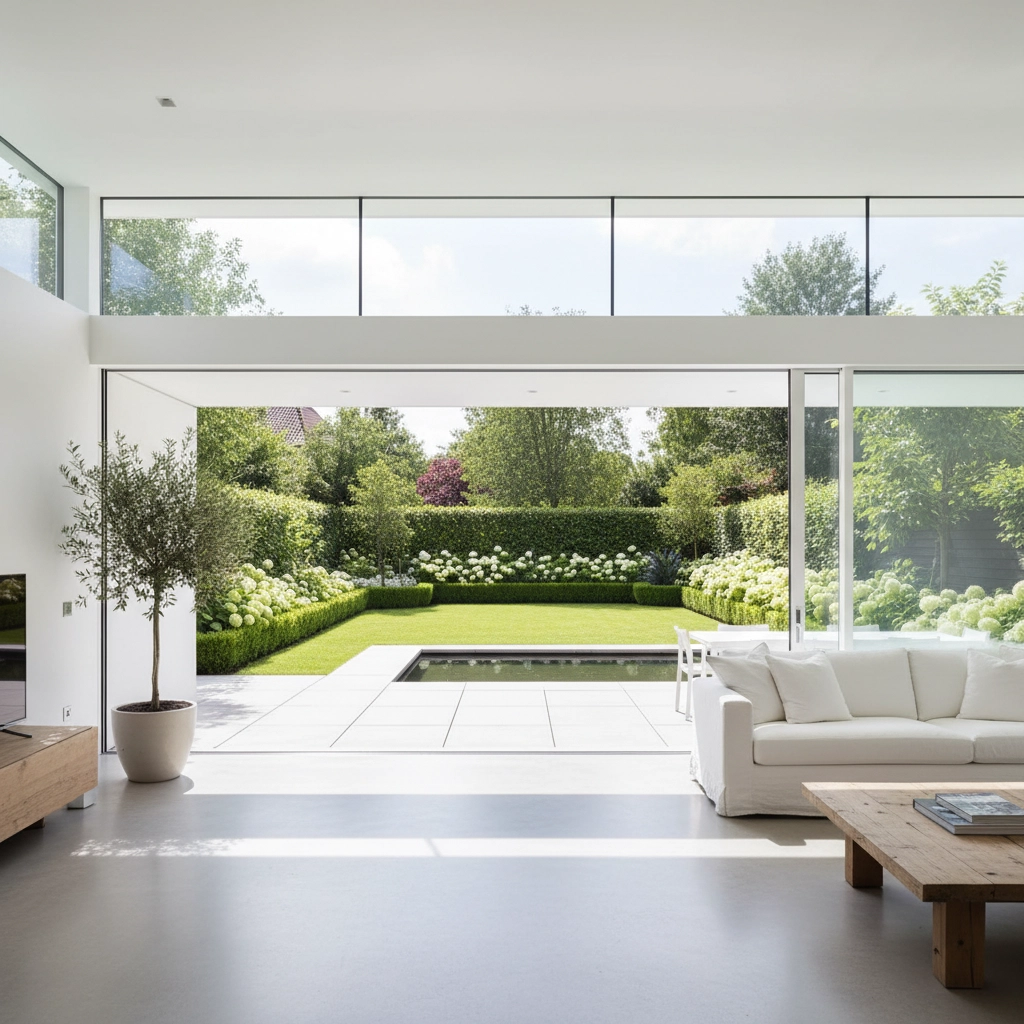
The key lies in understanding which types of extensions deliver maximum impact and how to plan them strategically for your specific property and local market conditions.
Phase 1: Strategic Planning and Market Research
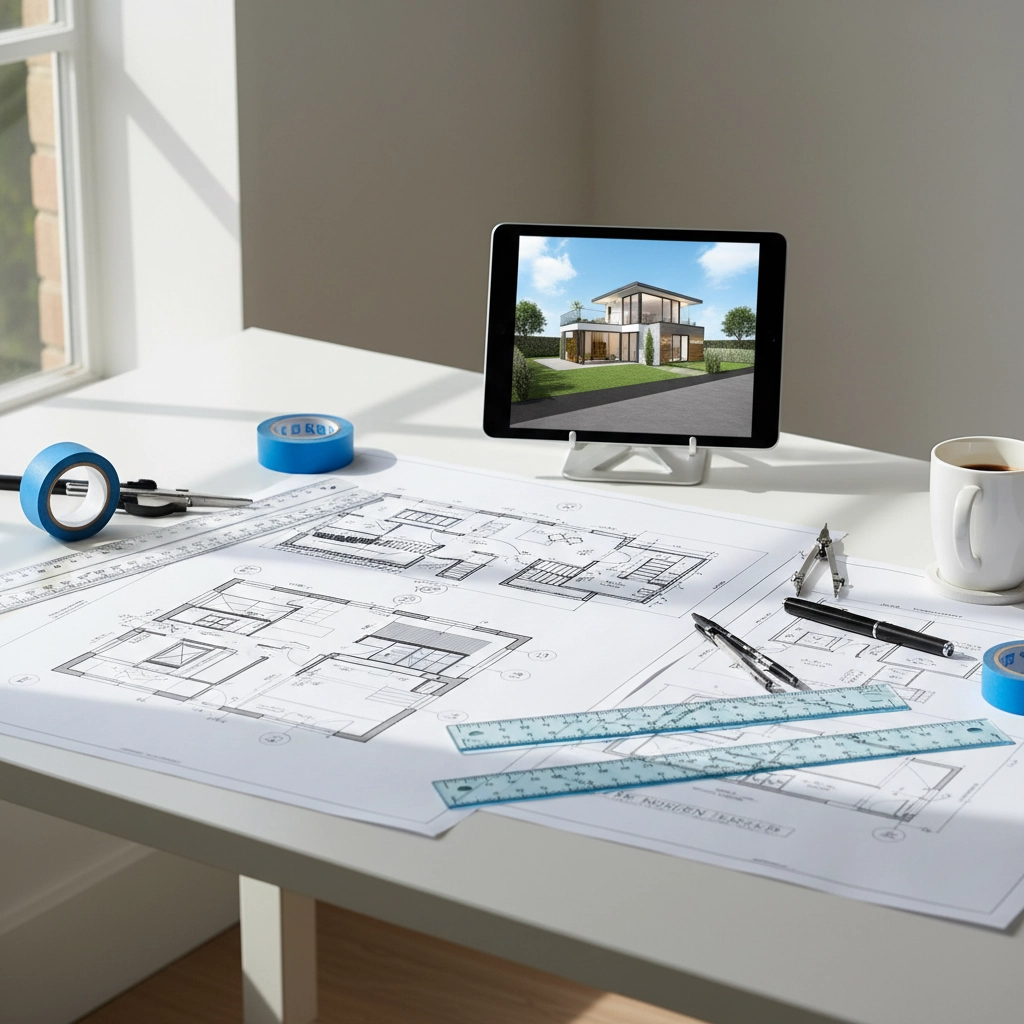
Start by analysing comparable properties in your area that have undergone similar extensions. The Rightmove House Prices tool provides detailed sold price data for extended properties, while Zoopla's Property Reports offer comprehensive market analysis for your postcode.
Research planning permissions in your area through your local council's planning portal. Understanding permitted development rights can save months of delays and thousands in planning fees. Most single-storey rear extensions up to 6 metres (8 metres for detached houses) fall under permitted development, requiring only a simple notification process.
Create a detailed budget that accounts for:
Construction costs (£1,000-1,500 per square metre for basic extensions)
Planning and building regulation fees (£500-2,000)
Professional fees for architects and structural engineers (10-15% of build cost)
Contingency fund (minimum 20% of total budget)
Phase 2: Choosing High-Impact Extension Types
Single-storey rear extensions deliver the most consistent returns, particularly kitchen extensions that create open-plan living spaces. These projects typically cost £15,000-35,000 and can add £40,000-80,000 in value when executed properly.
Double-storey extensions offer even greater potential returns but require larger investments. Adding both ground floor and first-floor space can increase property values by 20-35%, making them ideal for families needing multiple bedrooms or substantial living areas.
Loft conversions represent excellent value in properties with suitable roof space. Converting unused loft space into bedrooms or home offices typically costs £15,000-25,000 while adding an extra bedroom can increase property value by 10-15%. The Government's Planning Portal provides comprehensive guidance on loft conversion regulations.
Side return extensions work particularly well for Victorian terraced houses, creating dramatic kitchen-dining spaces by extending into narrow side passages. Though more expensive (£25,000-50,000), these extensions can add £60,000-100,000 in value in the right locations.
Phase 3: Design Principles for Maximum Value
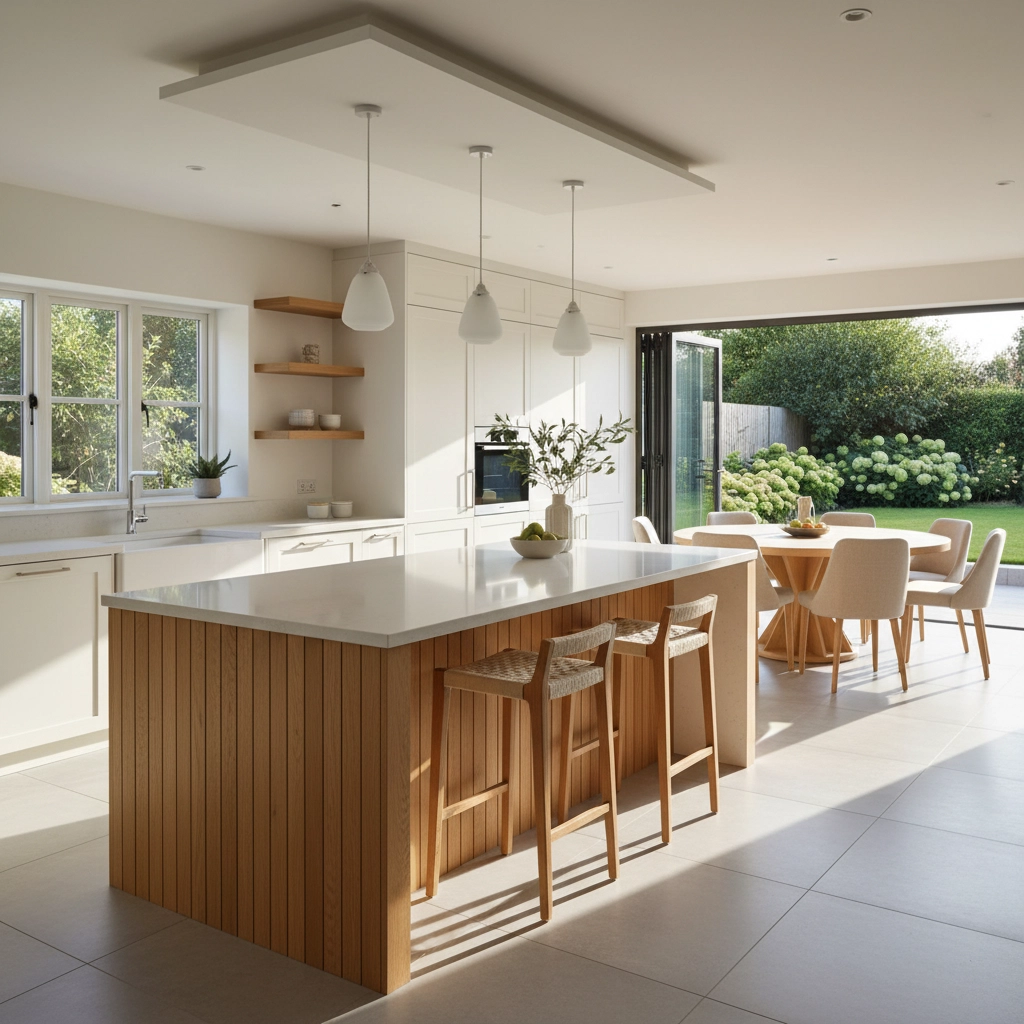
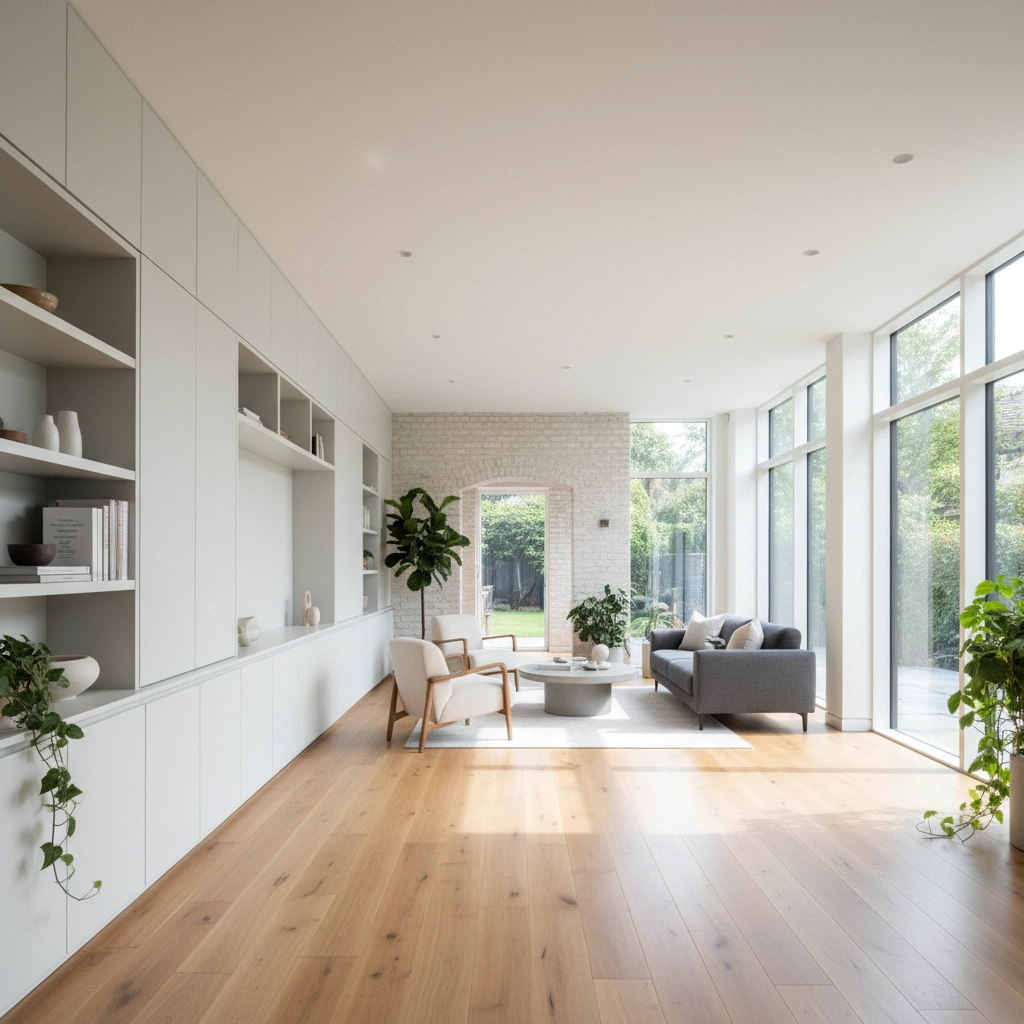
Create flexible, multi-functional spaces rather than single-purpose rooms. Modern buyers prefer open-plan areas that can serve multiple functions - dining, working, entertaining, and family time. Bi-fold doors that open to gardens are particularly valuable, creating seamless indoor-outdoor living experiences.
Prioritise natural light through strategic window placement and roof lights. Properties with abundant natural light consistently command higher values than darker equivalents. Consider the orientation of your extension to maximize daylight hours and minimise heating costs.
Kitchen islands and integrated storage significantly enhance perceived value in kitchen extensions. Built-in appliances and clever storage solutions make spaces appear larger and more premium. The Royal Institute of British Architects provides design resources and certified architect directories for professional guidance.
Phase 4: Navigating Planning and Building Regulations
Building regulations approval is mandatory for all extensions, regardless of whether planning permission is required. These regulations ensure structural integrity, insulation standards, and safety compliance. Expect 4-6 weeks for building regulation approval and budget £500-1,500 for fees.
If planning permission is required, prepare for 8-12 weeks processing time. Professional architects increase approval chances significantly while ensuring designs maximise property value. The Planning Portal offers application guidance and local authority contacts.
Consider neighbour consultation early in the process. Addressing concerns proactively prevents objections that can delay or derail planning applications. Party wall agreements may be necessary for extensions close to boundary walls.
Phase 5: Construction Management for Value Optimization
Choose builders with demonstrated extension experience and request references from recent similar projects. The Federation of Master Builders maintains directories of qualified tradespeople with insurance verification.
Establish clear specifications for materials and finishes before construction begins. High-quality materials justify premium pricing when selling, while budget materials can actually detract from value despite lower initial costs.
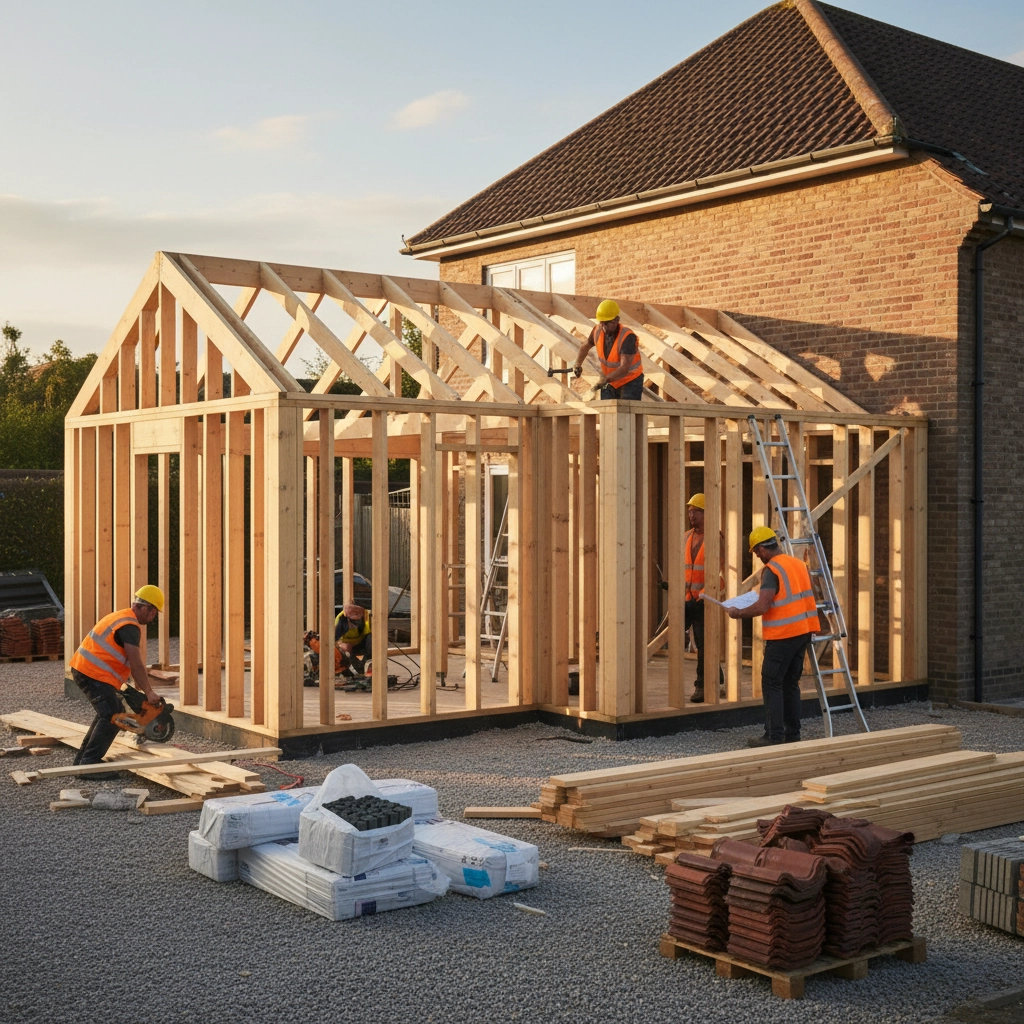
Project management is crucial for timeline and budget control. Extensions that overrun significantly can strain finances and delay the value realisation you're seeking. Weekly progress meetings and documented change requests prevent scope creep.
Phase 6: Finishing Touches That Maximize Returns
Continuity with existing property style creates cohesive, premium-feeling spaces. Match architectural details, flooring materials, and interior design themes to ensure the extension feels integrated rather than added as an afterthought.
Energy efficiency features increasingly influence property valuations. Install high-performance insulation, efficient heating systems, and smart home technology where appropriate. The Energy Saving Trust provides guidance on efficiency upgrades that add value.
Consider professional interior design consultation for extension spaces. Well-designed interiors photograph better for future sales and help buyers visualise the space's potential immediately.
When Professional Help Becomes Essential
Structural calculations are legally required for extensions affecting load-bearing walls or foundations. Attempting to skip structural engineer involvement risks building regulation failures and potentially dangerous construction.
Consider professional project management for extensions exceeding £30,000. Experienced project managers coordinate trades, manage timelines, and handle regulatory compliance, often saving more than their fees through efficient execution.
For guidance on comprehensive home improvements that complement your extension project, explore our detailed guide on maintaining your home's value through proper maintenance.
Long-term Value Protection and Enhancement
Proper maintenance protects your investment from day one. Extensions require the same ongoing care as original property structures - regular inspection of roofs, drainage, and external walls prevents small issues becoming expensive problems.
Documentation preservation proves essential for future sales. Maintain complete records of planning permissions, building regulation certificates, structural calculations, and warranty information. Buyers increasingly request these documents during purchase negotiations.
The proven extension framework transforms properties systematically while delivering measurable value increases that far exceed most alternative investments. Strategic extensions create the additional space modern living demands while positioning your property advantageously in competitive markets. When planned and executed correctly, extensions represent one of the most reliable methods for achieving substantial property value growth in today's UK housing market.
For comprehensive home services that support your extension project from planning through completion, visit The Homes Doctor to explore our full range of professional home improvement solutions.
Comments