
Winter is Coming: 10 Preventative Maintenance Tasks You Should Complete Now
- Steve Crompton

- Nov 20, 2025
- 7 min read
Winter home maintenance is often overlooked until the first freeze hits and pipes burst or heating bills skyrocket. The truth is, spending a weekend on preventative maintenance now can save you thousands in emergency repairs and dramatically reduce your energy costs throughout the cold season.
Most homeowners wait until their heating system fails or ice dams cause water damage before taking action. By then, it's too late: and expensive. The smart approach is tackling these essential tasks while temperatures are still moderate and contractors aren't swamped with emergency calls.
Here's your comprehensive checklist of 10 critical maintenance tasks that will protect your home, lower your energy bills, and give you peace of mind all winter long.
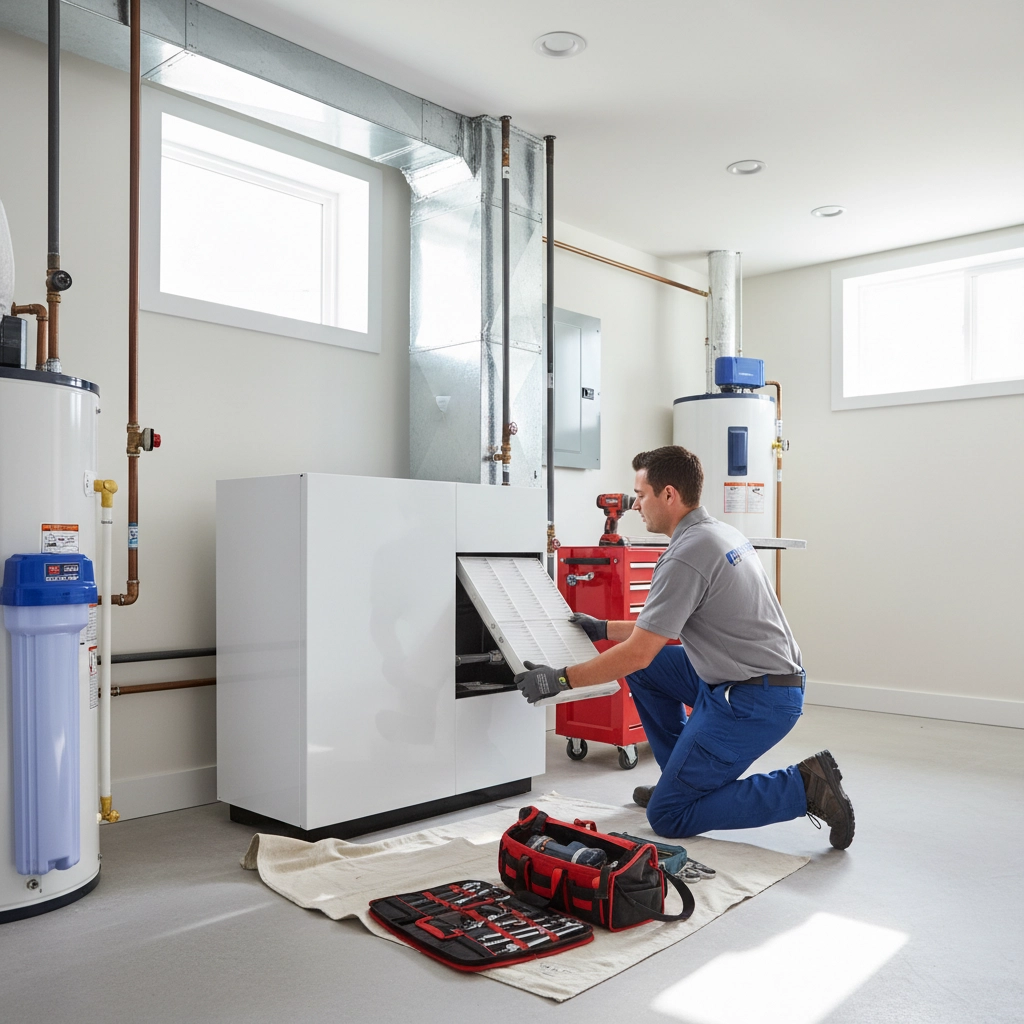
1. Service Your Heating System Before You Need It
Furnace breakdowns spike by 400% during the first cold snap because most homeowners ignore maintenance until it's too late. A heating system that hasn't been serviced can consume up to 30% more energy and is far more likely to fail when you need it most.
Here's what you need to address:
• Replace or clean air filters - Dirty filters force your system to work harder and reduce indoor air quality • Check thermostat calibration - Even a 2-degree miscalibration can increase energy costs by 10-15% • Inspect ductwork for leaks - Sealed ducts improve efficiency by up to 20% • Test safety controls and gas connections - Critical for preventing carbon monoxide issues
Schedule a professional inspection with a certified HVAC technician now, before the rush begins. The U.S. Department of Energy recommends annual maintenance to ensure peak performance and safety.
Consider calling a professional if your system is over 10 years old or showing signs of wear. A small investment in maintenance now prevents major repairs later.
2. Inspect and Prepare Your Roof for Winter Weather
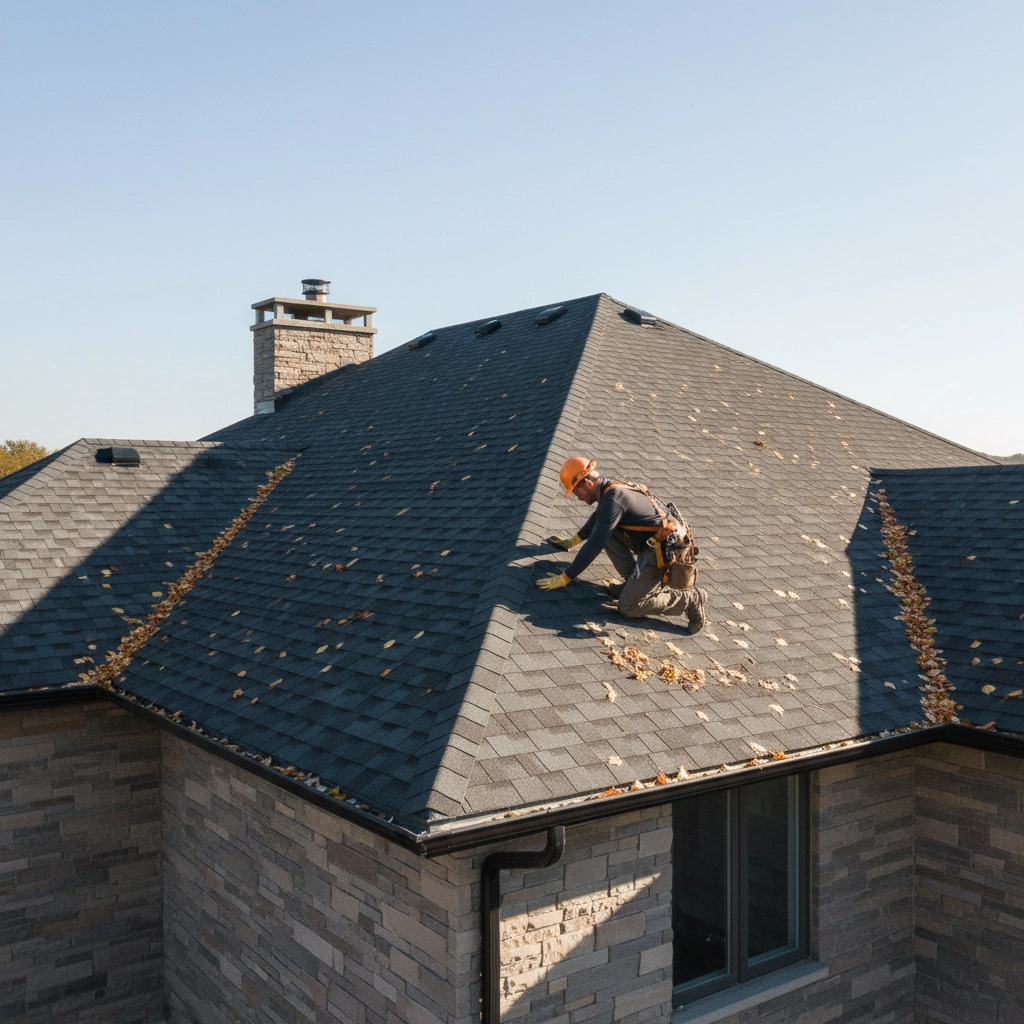
Your roof faces the harshest winter conditions, yet most homeowners never look up until water starts dripping through their ceiling. Missing or damaged shingles can lead to thousands in water damage when snow and ice accumulate.
Critical roof inspection points include:
• Missing, cracked, or curling shingles - Replace immediately to prevent water infiltration • Damaged flashing around chimneys and vents - The most common source of roof leaks • Clogged or damaged gutters - Can cause ice dams and roof damage • Overhanging tree branches - Should be trimmed back 6 feet from your roof
For safety reasons, consider hiring a professional roofer for this inspection. The National Roofing Contractors Association provides guidelines for proper winter preparation and can help you find qualified contractors in your area.
Pro tip: Purchase a roof rake now so you can safely remove excess snow after storms, preventing dangerous ice buildup that can damage your roof structure.
3. Seal Air Leaks Around Windows and Doors
Air leaks account for 25-30% of your heating costs, yet most are invisible and easily overlooked. Those small gaps around windows and doors might seem insignificant, but they're equivalent to leaving a window open all winter long.
Focus on these high-impact sealing areas:
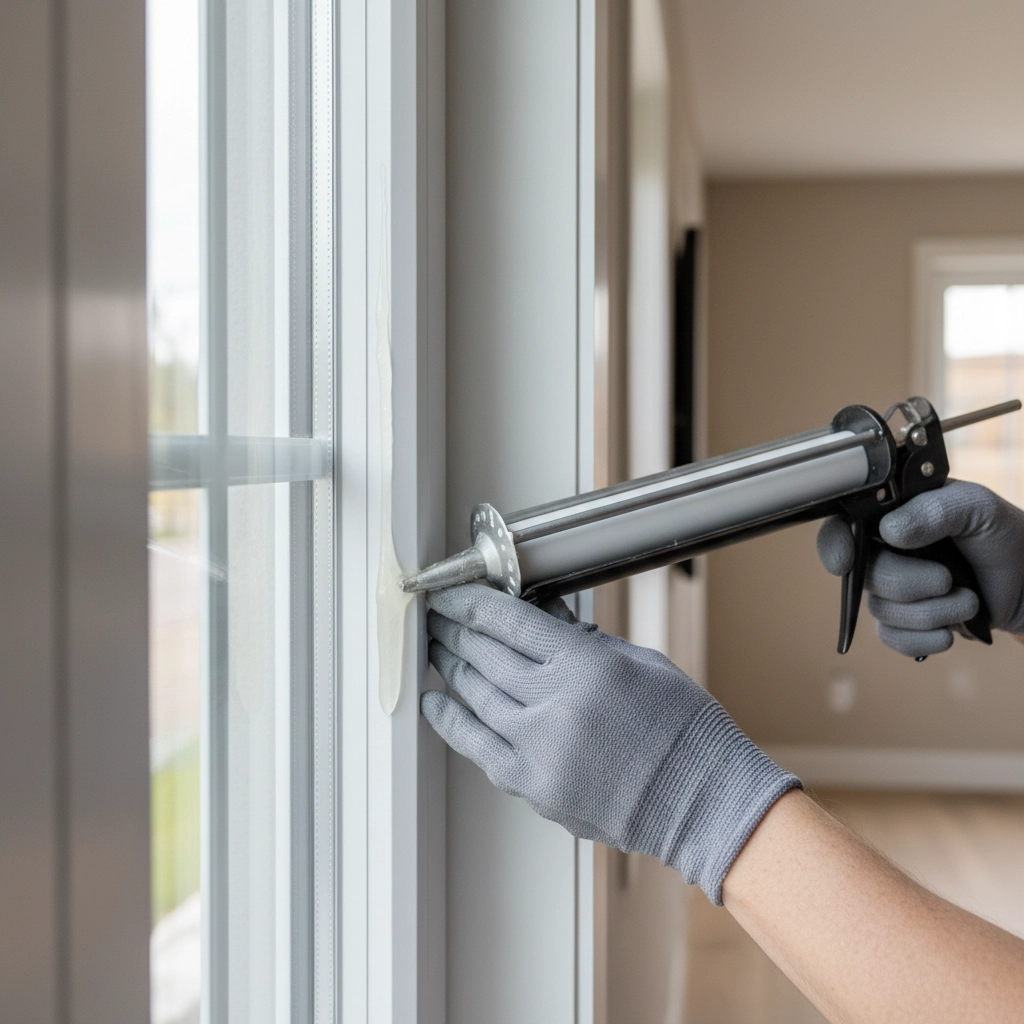
• Window and door frames - Check for gaps, cracks, and failed caulking • Electrical outlets on exterior walls - Install foam gaskets behind outlet covers • Pipe and cable entry points - Seal with expanding foam or caulk • Basement rim joists - Often the largest source of air infiltration
Use the simple candle test: hold a lit candle near suspected leak areas on a windy day. If the flame flickers, you've found an air leak that needs sealing.
Weather stripping and caulk are inexpensive materials that can reduce heating costs by 10-15%. The Environmental Protection Agency's ENERGY STAR program offers detailed guidance on identifying and sealing common air leaks.
4. Test Your Sump Pump Before Heavy Rains
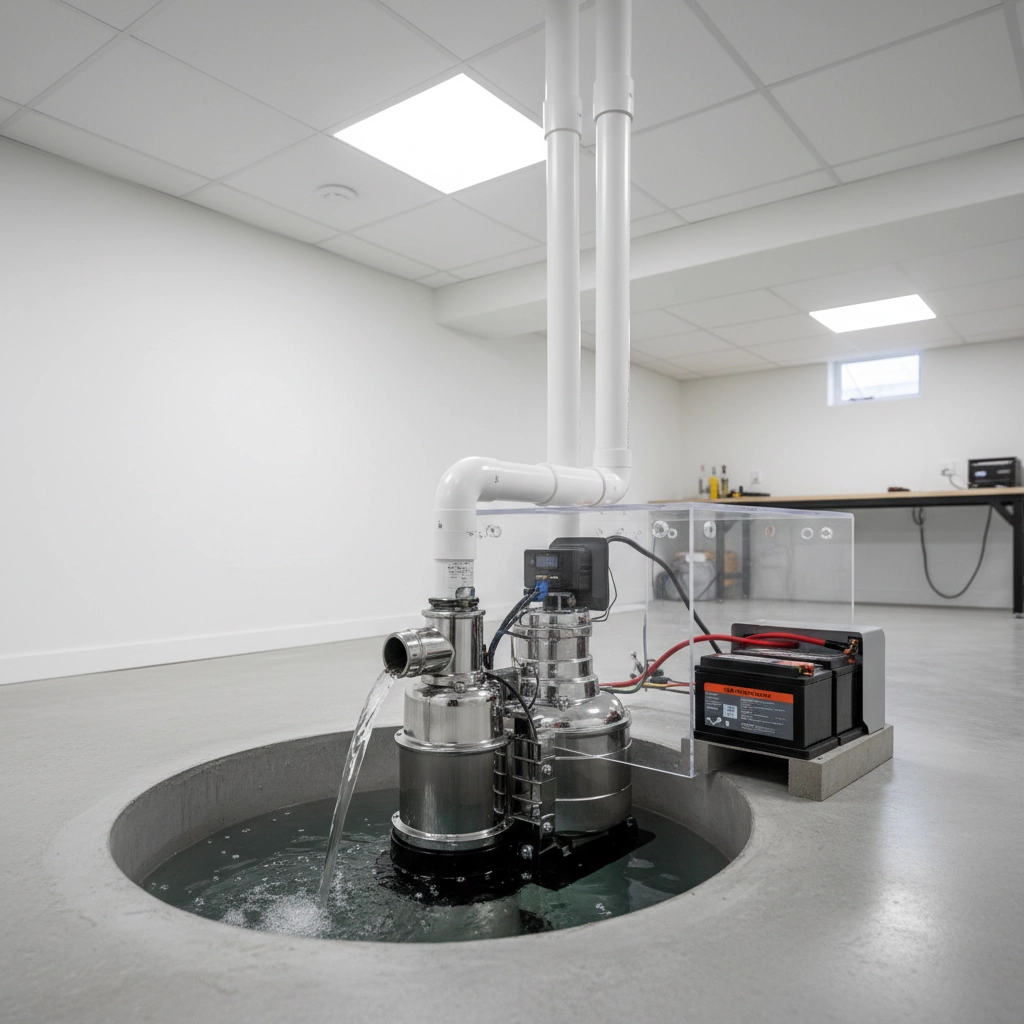
Basement flooding during winter thaws causes an average of $10,000 in water damage, yet most homeowners discover their sump pump has failed only when their basement is already flooded. Winter creates unique challenges with frozen discharge lines and increased groundwater from snow melt.
Essential sump pump winter preparation:
• Pour 5 gallons of water into the sump pit to test pump operation • Check the discharge line for clogs or freeze potential • Test the float switch - ensure it activates the pump properly • Verify backup power options if you have a battery backup system
If your sump pump is over 7 years old or showing signs of wear, consider replacement before winter arrives. A $300 pump replacement is far cheaper than $10,000 in flood damage.
The Federal Emergency Management Agency provides comprehensive flood prevention resources and emphasizes the importance of sump pump maintenance for basement protection.
5. Clean and Inspect Your Chimney and Fireplace
Chimney fires cause over $125 million in property damage annually, with most occurring during the first few uses of the season. Creosote buildup, animal nests, and structural damage create serious fire and carbon monoxide risks that aren't visible from ground level.
Critical fireplace and chimney safety checks:
• Professional chimney cleaning and inspection - Required annually by fire safety codes • Damper operation testing - Ensures proper ventilation and prevents heat loss • Cap and screen inspection - Keeps animals out and prevents water damage • Firebox crack inspection - Critical for preventing house fires
The National Fire Protection Association recommends professional chimney cleaning before each heating season. Never attempt to clean a chimney yourself - the risks far outweigh any cost savings.
For gas fireplaces, ensure the gas lines, vents, and safety controls are inspected by a qualified technician. Gas leaks are invisible but deadly, especially in winter when homes are sealed tight.
6. Clear Gutters and Ensure Proper Drainage
Ice dams cause millions in roof and interior damage each year, yet they're completely preventable with proper gutter maintenance. When gutters are clogged, water backs up under shingles and into your home's structure, causing extensive damage that insurance often doesn't fully cover.
Essential gutter preparation tasks:
• Remove all leaves, debris, and buildup from gutters and downspouts • Check gutter slope and attachment points - should slope 1/4 inch per 10 feet toward downspouts • Verify downspouts direct water at least 5 feet from your foundation • Install gutter guards if you have significant tree coverage
Don't forget about our previous guide on gutter maintenance for long-term protection, which covers advanced techniques for gutter care throughout the year.
Properly functioning gutters are your home's first defense against winter water damage. The small investment in cleaning now prevents thousands in ice dam repairs later.
7. Protect Outdoor Equipment and Furniture
Freeze damage to outdoor equipment and furniture costs homeowners over $500 million annually, yet it's completely avoidable with proper preparation. Water trapped in hoses, pumps, and irrigation systems expands when frozen, causing expensive damage that's rarely covered by warranties.
Priority outdoor protection tasks:
• Drain and store garden hoses - Even small amounts of trapped water can burst hoses • Shut off and drain outdoor water spigots - Prevents pipe freezing and bursting • Clean and store patio furniture - Protects investment and prevents weather damage • Cover or store grills and outdoor equipment - Extends lifespan significantly
Pro tip: Store cushions and fabric items in a dry location like a garage or basement. Moisture trapped in outdoor storage can lead to mold and fabric deterioration over winter months.
Taking 2-3 hours to properly store outdoor items now saves you from replacing hundreds of dollars in damaged equipment come spring.
8. Optimize Ceiling Fan Direction for Winter Efficiency
Most homeowners don't realize that ceiling fans can reduce heating costs by up to 15% when used correctly in winter. The key is reversing the fan direction to push warm air down from the ceiling, where it naturally accumulates.
Winter ceiling fan optimization:
• Switch fans to rotate clockwise when looking up from below • Run at low speed - just enough to circulate air without creating a cooling breeze • Focus on rooms you use most - bedrooms, living areas, and home offices • Ensure fan blades are clean - dust buildup reduces efficiency significantly
This simple 5-minute task per fan can make your heating system 10-15% more efficient. The Department of Energy confirms that proper ceiling fan use reduces energy costs year-round.
Remember: The goal is air circulation, not cooling. If you feel a breeze, the fan is running too fast for winter use.
9. Test and Maintain Safety Systems
Carbon monoxide poisoning increases by 300% during heating season, yet most homeowners only think about detector maintenance when the low-battery chirp wakes them at 3 AM. With windows sealed tight all winter, proper detector function becomes critical for family safety.
Essential safety system maintenance:
• Replace smoke detector batteries - even in hardwired units with battery backup • Test carbon monoxide detectors monthly - CO is invisible and odorless • Check fire extinguisher pressure gauges - replace if needle is in red zone • Review family emergency plans - winter conditions affect evacuation routes
Install detectors on every level of your home and near all sleeping areas. The Red Cross recommends testing all detectors monthly and replacing batteries annually, regardless of type.
Your family's safety depends on these systems working perfectly when you need them most. Don't gamble with cheap batteries or delayed maintenance.
10. Insulate Pipes and Prevent Freeze Damage
Burst pipes cause over $1 billion in property damage annually, with most failures occurring in the first severe cold snap. Pipe insulation costs less than $20 but can prevent thousands in flood damage and emergency plumbing bills.
Critical pipe protection areas:
• Exterior wall pipes - Most vulnerable to freezing temperatures • Basement and crawl space pipes - Often overlooked but equally at risk • Garage and attic pipes - Unheated spaces create freeze conditions • Outdoor spigots and irrigation lines - Must be properly drained and insulated
Use foam pipe insulation for easy installation, and don't forget to install faucet covers on all outdoor spigots. Opening cabinet doors under sinks during extreme cold allows warm air to reach pipes in exterior walls.
The Insurance Institute for Business & Home Safety provides comprehensive freeze prevention resources and emphasizes that proper insulation is the most effective prevention strategy.
Consider having a plumber identify and insulate your most vulnerable pipes if you're unsure about their locations.

Winter-Ready Homes Require Proactive Action
The difference between a comfortable, efficient winter and an expensive, stressful one comes down to the preparation you do right now. These 10 tasks might seem time-consuming, but they typically require just one weekend to complete and can save you thousands in emergency repairs.
Remember, winter weather doesn't wait for convenient timing. Contractors are busiest and most expensive during emergencies, so handling maintenance during mild weather ensures better service at lower costs.
For complex tasks like HVAC service, roof inspection, or chimney cleaning, contact The Homes Doctor team. We're here to help you prepare your home for winter and keep it running efficiently all season long. Get a quote for professional winter preparation services that give you complete peace of mind.
Your future self will thank you when neighbors are dealing with frozen pipes and heating emergencies while your home stays warm, dry, and comfortable all winter long.
Comments